
10 Ways to Lower Creatinine Levels Fast and Protect Kidneys

Are you concerned about your kidney health and looking for ways to lower your creatinine levels fast? Chronic kidney disease (CKD) can be worrisome, but there are steps you can take to improve your kidney function and lower creatinine levels effectively. In this blog post, we'll explore 10 proven strategies to help you achieve better kidney health and reduce creatinine levels quickly.
Garlic Supplementation:
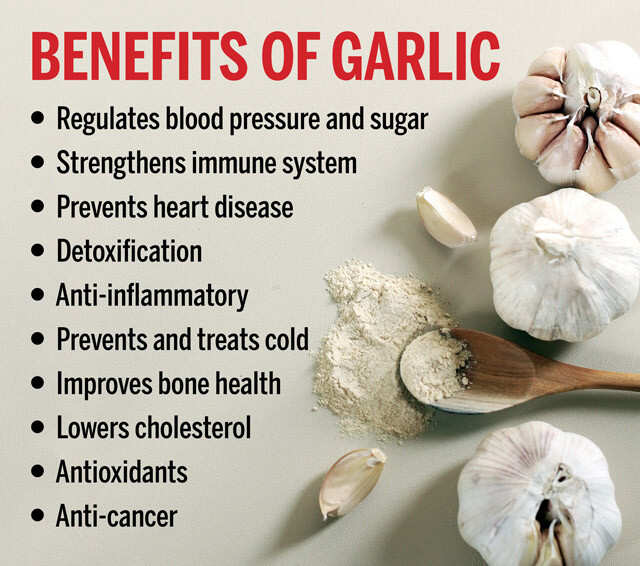
Among the many health advantages of garlic are its renowned ability to decrease blood pressure and reduce inflammation. Supplementing with garlic has been found in studies to protect renal function and reduce creatinine levels. Think about include fresh garlic in your meals or including a supplement in your daily routine.
Hydration:
Water consumption must be sufficient to maintain kidney health. Maintaining enough hydration aids in the body's removal of waste materials and poisons, including too much creatinine. Try to consume eight glasses of water or more each day, particularly if you have diabetes, as dehydration can cause blood sugar levels to soar.
Vitamin D Supplementation:

- A common condition among CKD patients is a vitamin D deficiency, which can aggravate renal disease. Vitamin D analog supplements can help decrease creatinine levels and enhance renal function. Make sure you're getting adequate vitamin D to maintain renal function and general health.
Regular Exercise:

Regular physical exercise is essential for controlling diabetes, preserving a healthy blood pressure, and enhancing renal function in general. Exercise can decrease blood pressure more successfully than prescription drugs and lessen the chance of CKD problems. For best effects, try combining strength training with cardiovascular activity.
Magnesium Supplementation:

Magnesium is essential for both blood pressure control and renal function. Magnesium oxide supplements can assist enhance general cardiovascular health, lower creatinine levels, and minimize vascular calcification. Make sure you're receiving enough magnesium by eating foods high in magnesium or by taking supplements.
Antioxidant-Rich Diet:

The protection of the kidneys against oxidative stress and inflammation is largely dependent on antioxidants. Consume a wide variety of foods high in antioxidants, such as fruits, vegetables, beans, and berries. These meals have the potential to naturally decrease creatinine levels and enhance renal function.
Green Tea with Lemon:

Strong antioxidants called catechins found in green tea have the potential to lower the risk of chronic illnesses like CKD. Your green tea will cut creatinine levels even more if you add a splash of lemon juice to improve the absorption of catechins.
Phosphorus Control:

An excessive phosphorus diet can cause calcification in the arteries and harm the kidneys. Reducing the amount of phosphorus absorbed by steering clear of processed and animal-based meals will help decrease creatinine levels and safeguard the kidneys. To make sure you're hitting your dietary targets and monitoring your nutritional consumption, think about utilizing applications.
Protein Management:

It's critical to keep an eye on your protein consumption if you have kidney disease (CKD) in particular. Overindulging in protein might further aggravate renal impairment and cause more pressure on the kidneys. Track your protein consumption with calorie counter apps to be sure you're adhering to recommendations.
Plant-Based Diet:

A plant-based diet has the potential to significantly improve kidney health and reduce creatinine levels. Plant-based diets are great for those with chronic kidney disease (CKD) since they are naturally low in protein and phosphorus. Cut out processed and animal-based items from your diet and concentrate on eating nutritious grains, legumes, fruits, and vegetables.


In conclusion, For those with CKD, being proactive in lowering creatinine levels and enhancing kidney health can be very beneficial. You can safeguard your kidneys, enhance kidney function, and improve your general health by adopting these 10 regular routines. Before making any big dietary or activity changes, remember to speak with your doctor, particularly if you have any underlying medical concerns.


0 Comments